 Get a Clear Plan for Knee Pain, Runner’s Knee, and Sports Injuries
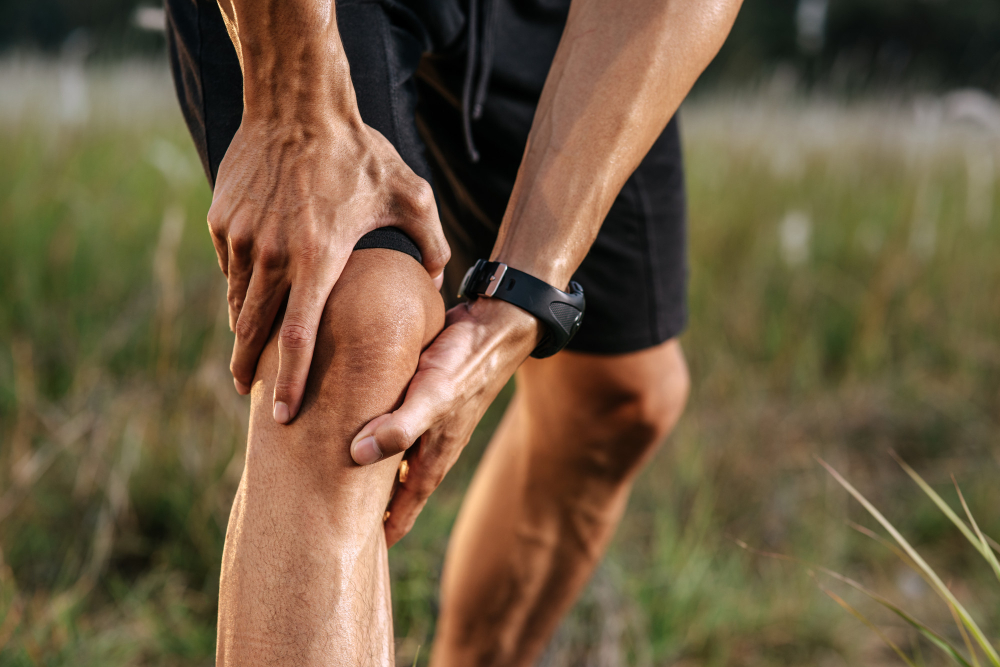
Knee pain can make walking, running, squatting, climbing stairs, golfing, lifting, and playing sports uncomfortable. Some patients feel pain around the kneecap. Others feel pain on the inside or outside of the knee, tightness behind the knee, tendon pain, swelling, clicking, or recurring flare-ups after activity.
Active Chiropractic helps patients in Alpharetta with knee pain, runner’s knee, patellar tendon irritation, sports injuries, lifting-related knee pain, and recurring overuse problems. Dr. Jason Pease evaluates the knee, hip, ankle, foot, soft tissue, and movement patterns that may be contributing to the problem, then builds a treatment plan based on what is driving the pain.
Schedule a Knee Pain Evaluation
Common Types of Knee Pain
Knee pain is not always caused by the knee alone. The hip, ankle, foot, low back, training load, footwear, and movement mechanics can all influence how much stress the knee absorbs.
Active Chiropractic commonly helps patients with:
- Runner’s knee
- Patellar tendon pain
- Pain around the kneecap
- Knee pain with squats or lunges
- Knee pain going up or down stairs
- Knee pain after running or walking
- Sports-related knee pain
- Lifting-related knee pain
- IT band-related discomfort
- Knee pain with hip or ankle mobility issues
- Recurring flare-ups after exercise
- Overuse injuries
Why Knee Pain Keeps Coming Back
Many people rest until knee pain improves, then return to running, lifting, golf, or daily activity and flare up again. That often means the irritated tissue calmed down, but the load or movement problem was never fully addressed.
Common contributors include:
- Hip weakness or poor hip control
- Limited ankle mobility
- Foot and arch control issues
- Tightness in the quads, calves, hamstrings, or IT band region
- Poor squat, lunge, or running mechanics
- Training volume increasing too quickly
- Running hills, speed work, or uneven terrain before the knee is ready
- Worn-out or poorly matched footwear
- Limited recovery between workouts
- Returning to full activity too soon after pain improves
The goal is to identify what the knee cannot tolerate yet, reduce irritation, and rebuild the strength and movement needed for activity.
When Knee Pain Needs Medical Attention
Some knee symptoms should be evaluated urgently. Seek medical care if knee pain follows major trauma, you cannot bear weight, the knee is severely swollen, the joint looks deformed, the knee locks and cannot fully move, you have fever or redness around the joint, or you have major instability after an injury.
If your symptoms are not an emergency but are persistent, recurring, or interfering with daily life, a chiropractic evaluation may help determine whether conservative care is appropriate.
How Active Chiropractic Treats Knee Pain
Evaluation
Dr. Pease will review your symptoms, activity level, training routine, footwear, work demands, prior injuries, and what makes the pain better or worse. The exam may include knee motion, hip mobility, ankle mobility, foot mechanics, strength, soft tissue assessment, and movement screening.
Chiropractic Care
Chiropractic care may be used when joint restrictions in the low back, pelvis, hip, knee, ankle, or foot are contributing to poor mechanics or compensation. Care is selected based on your exam findings, comfort level, and goals.
Soft Tissue Therapy
Soft tissue therapy may be used for irritated or restricted tissue around the quads, hamstrings, calves, IT band region, hip, or knee. The goal is to reduce unnecessary tension and improve how the leg tolerates movement.
Shockwave Therapy
Shockwave therapy may be recommended for certain chronic tendon or soft tissue-related knee problems, such as patellar tendon irritation or other overuse patterns. It may be considered when pain has not responded well to rest, stretching, or basic home care and when the exam suggests the tissue is a good fit.
Mobility and Corrective Exercises
Exercises may focus on hip strength, knee control, ankle mobility, foot stability, glute strength, quad capacity, and gradual return to running, lifting, stairs, or sport. The right plan depends on what movements trigger your symptoms and what you need to get back to.
Runner’s Knee Treatment in Alpharetta
Runner’s knee often shows up as pain around or behind the kneecap during running, stairs, squats, or after long periods of sitting. It may be influenced by training volume, hip control, ankle mobility, foot mechanics, footwear, or running terrain.
Active Chiropractic helps runners identify what is irritating the knee and how to modify mileage, intensity, hills, speed work, and strength training while symptoms improve.
Knee Pain from Lifting and Gym Training
Knee pain during squats, lunges, deadlifts, step-ups, or jumps can be frustrating because many active patients do not want to stop training. The issue may involve technique, load management, hip mobility, ankle mobility, quad capacity, or training through fatigue.
Treatment may include temporary exercise modifications, mobility work, soft tissue therapy, strengthening progressions, and a plan to rebuild tolerance without guessing.
Knee Pain from Sports
Golf, tennis, pickleball, lacrosse, soccer, basketball, running, and gym training all place different stresses on the knee. Cutting, sprinting, jumping, pivoting, and repeated rotation can expose mobility or strength limitations.
Sports-related knee care may include chiropractic adjustments, soft tissue therapy, hip and ankle mobility work, corrective exercises, shockwave therapy when appropriate, and return-to-activity guidance.
Knee Pain and the Hip, Foot, and Ankle
The knee sits between the hip and foot. If the hip does not control motion well, or the ankle and foot do not move or stabilize well, the knee may take extra stress.
Active Chiropractic evaluates the whole lower body when needed, especially for recurring knee pain, runner’s knee, plantar fasciitis overlap, or pain that keeps returning after rest.
When to Get Evaluated
You should consider scheduling an evaluation if:
- Knee pain has lasted more than a few days without improving
- Pain keeps returning after rest
- Stairs, squats, running, walking, or workouts are affected
- Pain increases when training volume goes up
- You are changing how you walk, squat, or run
- Knee pain is connected to foot, ankle, hip, or low back symptoms
- You want a plan instead of guessing which exercises to avoid
What to Expect at Your First Visit
Step One: Understand the Pattern
Dr. Pease will ask where the pain is, how it started, what movements trigger it, what helps, and what activities you need to return to.
Step Two: Evaluate the Knee, Hip, Foot, and Ankle
The evaluation may include knee range of motion, strength testing, hip and ankle mobility, foot mechanics, soft tissue assessment, squat or step-down screening, and sport-specific movement discussion.
Step Three: Start a Practical Care Plan
Your plan may include chiropractic care, soft tissue therapy, shockwave therapy, mobility work, corrective exercises, activity modification, and follow-up based on your response.
Frequently Asked Questions
Can a chiropractor help knee pain?
Chiropractic care may help some patients with knee pain, especially when joint mobility, soft tissue irritation, hip or ankle mechanics, foot function, or movement patterns are contributing factors. The first step is an evaluation to determine whether chiropractic care is appropriate.
Is runner’s knee only a running problem?
No. Runner’s knee can be influenced by hip strength, ankle mobility, foot mechanics, training volume, footwear, terrain, and recovery. Running may expose the problem, but it is not always the only cause.
Can shockwave therapy help knee pain?
Shockwave therapy may help some chronic tendon or soft tissue-related knee problems, especially when combined with mobility work, strengthening, and activity modification. Dr. Pease can determine whether it is a good fit after an evaluation.
Should I stop squatting if my knee hurts?
Not always, but your workouts may need modification. Some patients need to reduce load, depth, volume, speed, or painful variations while the knee calms down and strength improves.
Why does my knee hurt going up or down stairs?
Stair pain can be related to kneecap tracking, tendon irritation, hip control, ankle mobility, quad capacity, or other factors. An evaluation can help identify what is most likely contributing.
Where is Active Chiropractic located?
Active Chiropractic is located at 3586 Old Milton Pkwy, Alpharetta, GA 30005. The office serves Alpharetta, Milton, Johns Creek, Roswell, Windward, and nearby North Fulton communities.
Ready to Get a Better Plan for Knee Pain?
If knee pain is limiting your walking, running, workouts, sport, stairs, or daily life, schedule an evaluation at Active Chiropractic. Dr. Pease will help determine what may be driving your symptoms and whether chiropractic care, soft tissue therapy, shockwave therapy, mobility work, or a rehab plan is right for you.
Schedule an appointment online or call 678-379-7141.