 Inside Elbow Pain Can Affect More Than Your Golf Swing
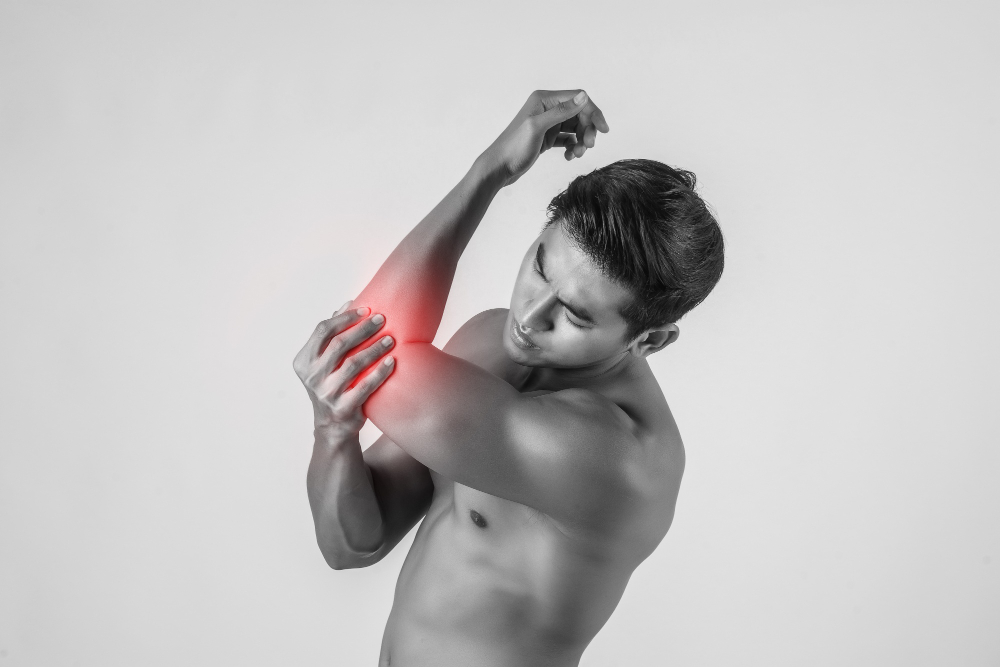
Golfer’s elbow can make gripping, lifting, swinging, throwing, pulling, and carrying painful. Even simple daily activities like opening a jar, carrying groceries, doing yard work, or lifting at the gym can become frustrating when the inside of the elbow is irritated.
Active Chiropractic helps patients in Alpharetta with golfer’s elbow, medial elbow pain, forearm tightness, and overuse injuries. Dr. Jason Pease evaluates the elbow, wrist, shoulder, neck, and movement patterns that may be contributing to the problem, then builds a treatment plan that may include chiropractic care, soft tissue therapy, corrective exercises, activity modification, and shockwave therapy when appropriate.
Schedule a Golfer’s Elbow Evaluation
What Is Golfer’s Elbow?
Golfer’s elbow, also called medial epicondylitis or medial elbow tendinopathy, is irritation of the tendon area on the inside of the elbow. It is often associated with golf, but many patients develop it from weightlifting, throwing sports, tennis, pickleball, manual labor, yard work, tool use, or repetitive gripping.
The painful area is near the inside of the elbow, but the root cause may involve the wrist, forearm, shoulder, neck, upper back, grip load, or training volume. That is why a complete evaluation matters.
Common Symptoms
Golfer’s elbow symptoms may include:
- Pain on the inside of the elbow
- Pain with gripping, pulling, or lifting
- Forearm tightness or aching
- Pain during golf, lifting, throwing, or racquet sports
- Weak grip strength
- Pain when carrying bags or weights
- Elbow stiffness after activity
- Symptoms that improve with rest but return when activity resumes
Why Golfer’s Elbow Keeps Coming Back
Golfer’s elbow can become chronic when the irritated tendon is repeatedly overloaded without enough recovery or progressive strengthening. Rest may calm symptoms, but pain often returns when the same grip, swing, lift, or work activity starts again.
Common contributors include:
- Repetitive gripping or wrist flexion
- Sudden increases in golf, lifting, throwing, or yard work volume
- Forearm muscle tightness
- Shoulder or wrist mobility limitations
- Neck or upper-back restrictions
- Poor load management during training
- Continuing painful activity without modifying intensity
- Inadequate tendon strengthening
The goal is to reduce irritation, identify the load problem, and rebuild the elbow’s ability to tolerate sport, work, and daily activity.
How Active Chiropractic Treats Golfer’s Elbow
Evaluation
Dr. Pease will review your symptoms, activity level, sport, work demands, training routine, and what you have already tried. The exam may include elbow, wrist, forearm, shoulder, neck, and upper-back assessment to understand why the inside of the elbow is irritated.
Soft Tissue Therapy
Soft tissue therapy may be used to address irritated or restricted tissue in the forearm, elbow, upper arm, shoulder, or related areas. The goal is to reduce tension and improve how the arm tolerates load.
Chiropractic Care
If joint restrictions in the neck, upper back, shoulder, elbow, or wrist are contributing to poor mechanics, chiropractic care may be included in the plan. This can help improve motion and reduce compensation.
Shockwave Therapy
Shockwave therapy may be recommended for chronic golfer’s elbow or stubborn tendon pain that has not responded well to rest, stretching, braces, or basic home care. It is targeted to the irritated tendon area and may be paired with strengthening and activity modification.
Corrective Exercises
Exercises may focus on wrist flexor strength, grip tolerance, forearm capacity, shoulder control, and gradual return to golf, lifting, throwing, or work activity. The right plan depends on what triggers your pain and what you need to get back to.
Shockwave Therapy for Golfer’s Elbow in Alpharetta
Shockwave therapy can be a useful option when golfer’s elbow has become persistent or keeps returning. It uses acoustic energy targeted to the irritated tissue and is often used for tendon-related problems that are slow to heal.
At Active Chiropractic, shockwave therapy is used as part of a broader plan. Treatment may also include soft tissue care, mobility work, progressive strengthening, and changes to the activity that keeps irritating the elbow.
Golfer’s Elbow from Golf
Golf places repeated stress on the hands, wrists, elbows, shoulders, hips, and spine. Elbow pain may be connected to grip pressure, swing mechanics, limited trunk or hip rotation, practice volume, or playing through early symptoms.
Active Chiropractic helps golfers understand what may be contributing to the pain, how to reduce irritation, and how to return to play with a smarter plan.
Golfer’s Elbow from Lifting and Gym Training
Lifters may feel golfer’s elbow during pull-ups, rows, curls, deadlifts, pressing, kettlebell work, or heavy gripping. Continuing to train through pain can keep the tendon irritated and extend recovery time.
Treatment may include temporary exercise modifications, soft tissue care, wrist and shoulder mobility work, grip-load management, and progressive strengthening to rebuild tolerance.
Golfer’s Elbow from Throwing, Tools, and Repetitive Use
You do not have to golf to develop golfer’s elbow. Throwing sports, tool use, yard work, carrying, lifting, typing, and repetitive gripping can overload the inside of the elbow over time.
Active Chiropractic can help identify the movements and positions that irritate the tendon, then build a plan that supports symptom relief and better tolerance for sport, work, and daily life.
When to Get Evaluated
You should consider scheduling an evaluation if:
- Inside elbow pain has lasted more than two weeks
- Pain returns when you grip, swing, lift, throw, or pull
- You have tried rest, a brace, stretching, or ice without lasting improvement
- Grip strength feels weaker
- Pain is affecting work, workouts, golf, or sport
- You are changing how you lift or use your arm
- You want to avoid the cycle of resting, returning, and flaring up again
What to Expect at Your First Visit
Step One: Identify the Pain Source
Dr. Pease will determine whether your symptoms are consistent with golfer’s elbow and whether other areas are contributing to the pain.
Step Two: Find the Load Problem
The evaluation looks at grip, wrist motion, forearm tension, elbow mechanics, shoulder function, neck mobility, and the activities that trigger symptoms.
Step Three: Start a Practical Treatment Plan
Your plan may include chiropractic care, soft tissue therapy, shockwave therapy, corrective exercises, activity modification, and follow-up care based on your goals.
Frequently Asked Questions
Is golfer’s elbow only caused by golf?
No. Golfer’s elbow can come from lifting, throwing, tennis, pickleball, tool use, yard work, repetitive gripping, or any activity that repeatedly loads the inside of the elbow and forearm.
What is the difference between golfer’s elbow and tennis elbow?
Golfer’s elbow usually causes pain on the inside of the elbow. Tennis elbow usually causes pain on the outside of the elbow. Both involve tendon irritation and can be influenced by grip load, wrist mechanics, shoulder function, neck mobility, and activity volume.
Can a chiropractor help golfer’s elbow?
Chiropractic care may help when golfer’s elbow is connected to joint mobility, soft tissue irritation, shoulder or wrist mechanics, neck restrictions, or movement compensation. Active Chiropractic evaluates the full arm and upper body, not just the elbow.
Does shockwave therapy help golfer’s elbow?
Shockwave therapy may help some patients with chronic golfer’s elbow or stubborn tendon pain, especially when combined with strengthening, mobility work, and activity modification.
Should I stop golfing or lifting if I have golfer’s elbow?
It depends on the severity and what triggers your symptoms. Some patients can continue with modified volume or intensity, while others need a short break from aggravating activity.
Where is Active Chiropractic located?
Active Chiropractic is located at 3586 Old Milton Pkwy, Alpharetta, GA 30005. The office serves Alpharetta, Milton, Johns Creek, Roswell, Windward, and nearby North Fulton communities.
Ready to Get a Better Plan for Inside Elbow Pain?
If golfer’s elbow is limiting your sport, workouts, work, or daily activities, schedule an evaluation at Active Chiropractic. Dr. Pease will help determine what is causing your elbow pain and whether chiropractic care, shockwave therapy, soft tissue treatment, or a rehab plan is right for you.
Schedule an appointment online or call 678-379-7141.